生徒会が司会をつとめます。
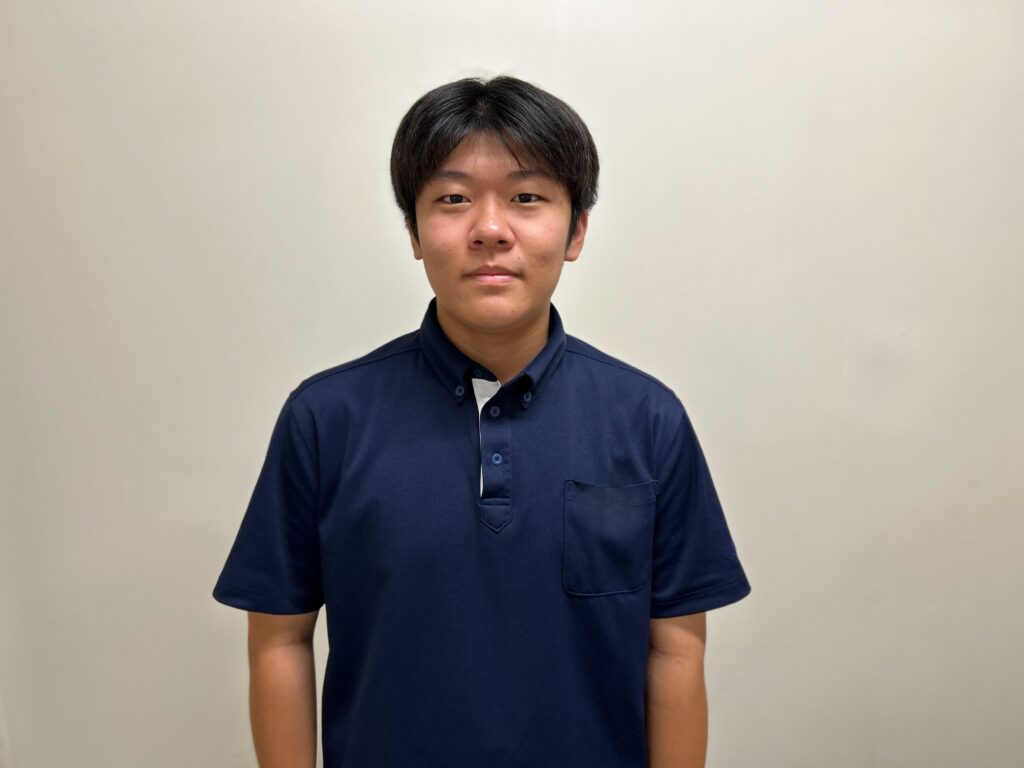
1.「感動と成長のホームカミングデー」 校長先生
今回のホームカミングデーの成功をみんなで喜びたいと思います。それぞれの展示やパフォーマンス、劇、ダンス、作品作り、装飾等で、いろいろな意見が出て、議論や葛藤が有ったと思いますが、このような経験をとおして、大手前高松の生徒としての誇りや連帯感を深めてほしいと思います。
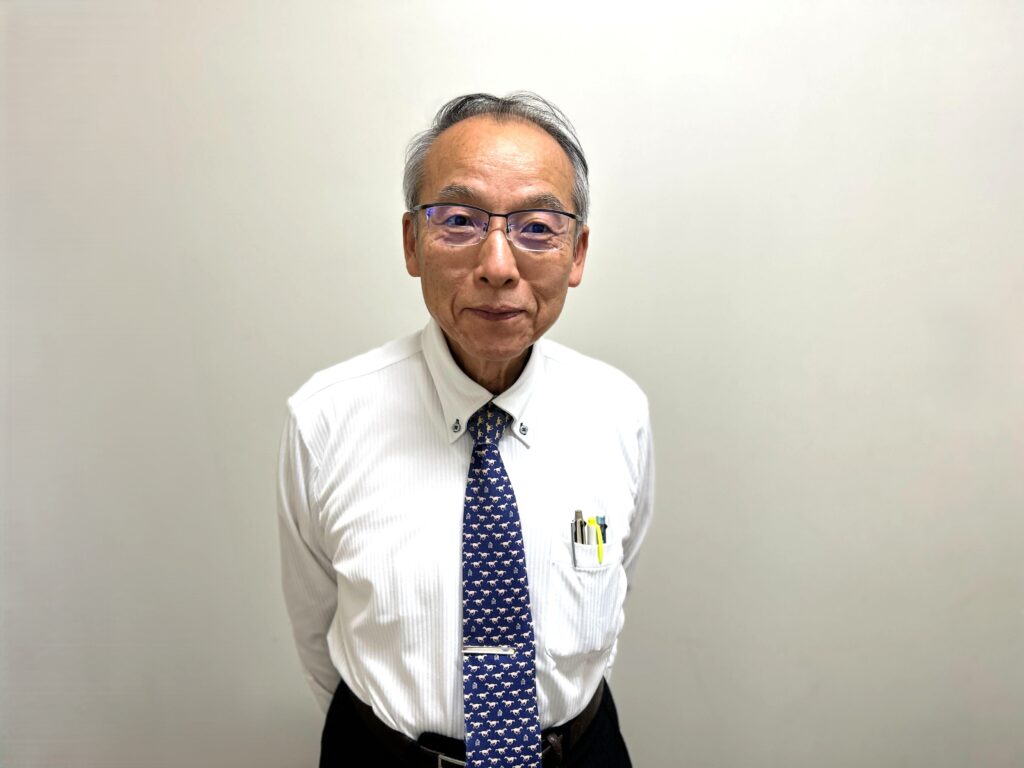
2.「The History of Expo 万博の歴史」 マーク先生
KEY SENTENCE: Expo is now here in Japan and is a symbol of humans around the world and how we are connected to each other.
キーセンテンス:持続可能な開発目標はすべての人のためのものです

3.表彰
【水泳】中2女子
第17回高松地区中学校体育大会
女子100メートル平泳ぎ 第1位
女子200メートル平泳ぎ 第2位
English Speech
KEY SENTENCE: Expo is now here in Japan and is a symbol of humans around the world and how we are connected to each other.
The History of Expo
Expo, also called the World’s Fair, is a big international event where many countries come
together. At Expo, nations show their culture, new ideas, science, art, and technology. The
first Expo started more than 170 years ago, and since then, it has become one of the most
famous world events. The history of Expo shows how people share knowledge and build peace
through learning.
The very first Expo was held in London, in 1851. It was called The Great Exhibition. It took
place in a huge building made of glas s and iron called the Crystal Palace. Many people came
to see inventions like machines, trains, and even the world’s biggest diamond. The goal was
to show how the Industrial Revolution was changing the world. It was a success, and it gave
people the idea t o hold more World’s Fairs.
After London, other countries wanted to host. In Paris, 1889, the Expo became very famous
because the Eiffel Tower was built for it. At first, many Parisians did not like the tower, but today it is one of the most famous landmar ks in the world. Another Paris Expo, in 1900,
showed electric lights, new engines, and moving sidewalks. These inventions amazed visitors.
In the United States, the Expo also became popular. In Chicago, 1893, the fair celebrated the
400 years since Columb us came to America. The Ferris Wheel was introduced there for the
first time, and it became a symbol of fun and engineering. In New York in 1965, people saw
computers, space rockets, and even a model of the future home. It showed hope for technology
and sp ace travel.
Over time, Expos became places not only for inventions but also for culture. Countries built
pavilions to show their art, music, food, and traditions. People could travel the world in one place by walking through these pavilions. For example, at Expo Osaka , Japan in 1970, the
theme was “Progress and Harmony for Mankind.” It was the first Expo in Asia and was visited by more than 60 million people. At Expo Shanghai 2010, the theme was “Better City,Better Life.” It became the largest Expo in history, with ov er 70 million visitors.
The Expo also talks about world problems. Themes often include peace, environment, energy,
and the future of cities. For example, Expo 1992 in Seville, Spain focused on the Age of
Discovery and global cooperation. Expo 2000 in Hann over, Germany looked at sustainable
development and protecting nature. These themes help people think about the future of the
planet.
Today, Expo is still very important. It happens every five years and lasts for six months.
Countries use Expo to share th eir culture, make friends, and show new ideas. At the last
Expo of 2020 in Dubai the theme was “Connecting Minds, Creating the Future.” Visitors saw
robots, flying taxis, and amazing art. The Expo now is in Osaka, Japan today, with the theme
“Designing Fut ure Society for Our Lives.”
The history of Expo is a story of human progress. From the Crystal Palace in London to the
high tech pavilions of today, Expo brings nations together. It is more than just a fair; it is a meeting of cultures, dreams, and ideas for a better world.
キーセンテンス:万博は今、日本で開催されており、世界中の人々と私たちの繋がりを象徴しています。
万博の歴史
万博は世界博覧会とも呼ばれ、多くの国々が一堂に会する大規模な国際イベントです。万博では、
各国が自国の文化、新しいアイデア、科学、芸術、そして技術を披露します。最初の万博は 170
年以上前に始まり、それ以来、世界で最も有名なイベントの一つとなっています。万博の歴史は、
人々が学びを通して知識を共有し、平和を築いてきたことを示しています。
最初の万博は1851 年にロンドンで開催されました。「万博大博覧会」と呼ばれ、クリスタル・
パレスと呼ばれるガラスと鉄でできた巨大な建物で開催されました。多くの人々が、機械、列車、
そして世界最大のダイヤモンドといった発明品を見に来ました。その目的は、産業革命が世界を
どのように変えているのかを示すことでした。万博は大成功を収め、人々にさらに多くの万博を
開催するというアイデアを与えました。
ロンドン万博の後、他の国々も万博の開催を希望しました。
1889 年のパリ万博は、エッフェル塔が建設されたことで大変有名になり ました。当初、多くのパリ市民はエッフェル塔を好まなか
ったものの、今日では世界で最も有名なランドマークの一つとなっています。 1900 年に開催さ
れた別のパリ万博では、電灯、新型エンジン、動く歩道などが披露され、来場者を驚かせました。
アメリカでも万博は人気を博しました。
1893 年のシカゴ万博は、コロンブスがアメリカに到着してから 400 年を記念するものでした。観覧車が初めて導入され、楽しさと工学の象徴となり
ました。 1965 年のニューヨーク万博では、コンピューター、宇宙ロケット、さらには未来の家
の模型までが展示さ れ、テクノロジーと宇宙旅行への希望を示しました。
時が経つにつれ、万博は発明だけでなく文化の場にもなりました。各国は芸術、音楽、料理、伝
統を展示するパビリオンを建設しました。人々はこれらのパビリオンを巡ることで、一か所で世
界を旅することができました。例えば、 1970 年に日本で開催され、大阪で開催された万博のテ
ーマは「人類の進歩と調和」でした。アジア初の万博であり、 6,000 万人以上が来場しました。
2010 年の上海万博のテーマは「より良い都市、より良い生活」でした。 7,000 万人以上が来場
し、史上最大の万博 となりました。
万博では世界の問題も取り上げられます。平和、環境、エネルギー、都市の未来などがテーマと
なることがよくあります。例えば、 1992 年にスペインのセビリアで開催された万博は、大航海
時代と国際協力に焦点を当てていました。 2000 年にドイツ・ハノーバーで開催された万博は、
持続可能な開発と自然保護に焦点を当てていました。これらのテーマは、人々が地球の未来につ
いて考えるきっかけとなっています。
今日でも万博は非常に重要です。
5 年に一度開催され、 6 か月間開催されます。各国は万博を通して文化を共有し、友好 を深め、新しいアイデアを提示しています。前回の 2020 年ドバイ万博のテーマは「心をつなぎ、未来を創る」でした。来場者はロボット、空飛ぶタクシー、そして素晴らしい芸術作品を目にしました。万博は今日、「いのち輝く未来社会のデザイン」をテーマとして、日本の大阪で開催されています。
万博の歴史は人類の進歩の物語です。ロンドンのクリスタルパレスから今日のハイテクパビリ
オンまで、万博は国々を結びつけます。それは単なる見本市ではありません。より良い世界のた
めの文化、夢、そしてアイデアが出会う場なのです。