生徒会が司会をつとめます。
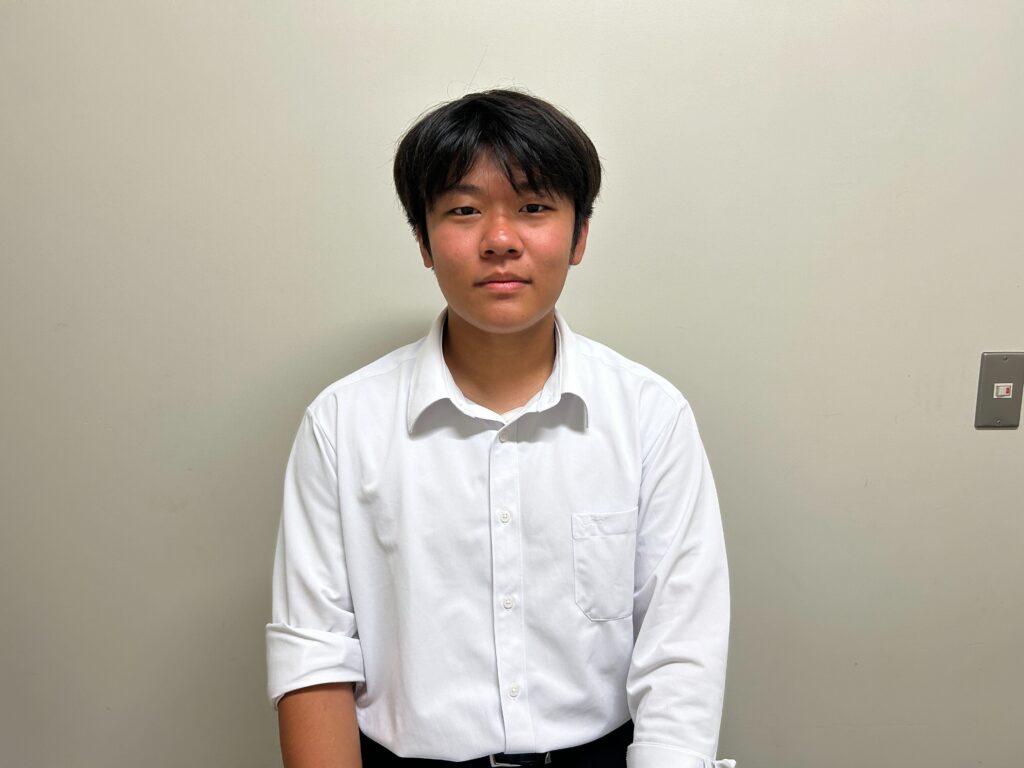
1.「日本の「特活(トッカツ)」が育む力!〜映画に見る協調性と成長〜」 吉川先生
話題の映画『小学校〜それは小さな社会〜』でも注目された、日本の「特別活動(特活)」。ホームルーム活動、生徒会活動、学校行事といった特活は、責任感や協調性を育む独自の教育活動です。
明日はいよいよ体育祭。仲間と競い、協力する経験を通して、特活が培った「小さな社会」での成長を実感しましょう。
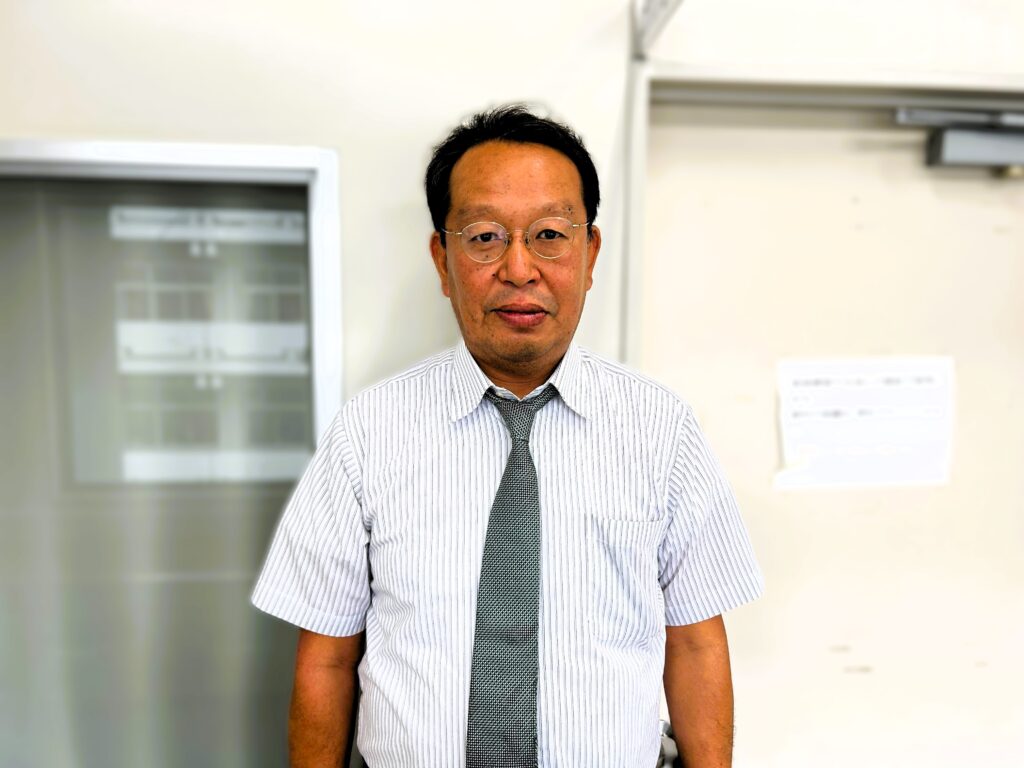
2.「Let’s talk about it. それについて話しましょう。」 マーク先生
KEY SENTENCE: There are some differences between Japanese and Canadian teenagers.
Let’s talk about it.
キーセンテンス:日本のティーンエイジャーとカナダのティーンエイジャーにはいくつか違い
があります。

3.表彰
第59回弘法大師奉賛高野山競書大会 特選 高2生
第41回香川ジュニア音楽コンクール 声楽部門 銅賞 中2生
第27回四国高等学校新人陸上競技選手権大会
男子110メートルハードル 第1位 高2生
English Speech
KEY SENTENCE: There are some differences between Japanese and Canadian teenagers.
Let's talk about it.
The Differences Between Japanese Teenagers and Canadian Teenagers Teenagers in Japan and teenagers in Canada live very different lives. They are the same age and like many of the same things, but their schools, families, and free time are not the same.
These differences come from their countries’ cultures and traditions.
First, school life is very different. Japanese teenagers go to school six days a week. Their
school day is long. It starts around 8:30 in the morning and ends around 4:30 in the afternoon.
After school, many students join clubs like baseball, music, or art. Some also go to “juku,” where they study more. Japanese students study very hard because they want to enter good schools and universities. In Canada, students go to school five days a week. School starts around 9:00 in the morning and ends around 3:00 in the afternoon. After school, many
Canadian teenagers go home, meet friends, play sports, or work part-time. In Canada,
students learn not only from books but also from activities and teamwork.
Second, free time is also different. Japanese teenagers like karaoke, video games, manga,
and shopping. Many also enjoy fashion and cafés. But they do not have much free time
because of school and clubs. Canadian teenagers often have more free time. They like to play
outside, go camping, or meet friends in shopping centers and parks. Some play sports like ice
hockey or rugby. They often relax on weekends.
Third, the family relationship is different. In Japan, teenagers respect their parents very
much. They listen to them and follow house rules. They help with chores and study hard to
make their parents proud. In Canada, family life is more relaxed. Teenagers talk a lot with
their parents and can share their feelings easily. Parents in Canada want their children to
be independent, so they let them make choices about their lives.
Another difference is how teenagers think about the future. In Japan, students study hard
for exams to get into good universities. They believe that doing well in school will help them find good jobs. This makes some Japanese teenagers feel stress. In Canada, students can
choose many paths. They can go to university, college, or learn a trade. Some take a “free
year” to travel or work before more study. Canadian students can go to university at any age.
Japanese and Canadian teenagers are different, but they also share many things. Japanese
teenagers live in a society that values hard work, respect, and education. Canadian teenagers
live in a society that values freedom, creativity, and independence. Both groups have dreams
and want to be happy in the future. It is very interesting to learn what are the same things
and what are the different things between different cultures.
キーセンテンス:日本のティーンエイジャーとカナダのティーンエイジャーにはいくつか違いがあります。それについて話しましょう。

日本のティーンエイジャーとカナダのティーンエイジャーは、全く異なる生活を送っています。彼らは同じ年齢で、多くのことを好みますが、学校、家族、そして自由時間は異なります。これらの違いは、それぞれの国の文化と伝統に起因しています。

まず、学校生活は大きく異なります。日本のティーンエイジャーは週6日学校に通います。学校生活は長く、午前8時半頃に始まり、午後4時半頃に終わります。放課後、多くの生徒は野球、音楽、美術などのクラブ活動に参加します。中には「塾」に通い、さらに勉強する生徒もいます。日本の生徒は良い学校や大学に進学したいため、一生懸命勉強します。カナダの生徒は週5日学校に通います。午前9時頃に始まり、午後3時頃に終わります。放課後、多くのカナダのティーンエイジャーは家に帰り、友達と会ったり、スポーツをしたり、アルバイトをしたりします。カナダでは、生徒たちは本だけでなく、活動やチームワークからも学びます。

次に、自由時間も異なります。日本のティーンエイジャーはカラオケ、ビデオゲーム、漫画、ショッピングが好きです。ファッションやカフェを楽しむ人も多くいます。しかし、学校や部活動のせいで、自由時間はあまりありません。一方、カナダのティーンエイジャーは自由時間が多いです。外で遊んだり、キャンプに行ったり、ショッピングセンターや公園で友達と会ったりするのが好きです。アイスホッケーやラグビーなどのスポーツをする人もいます。週末はリラックスすることが多いです。

3つ目に、家族関係が異なります。日本のティーンエイジャーは両親をとても尊敬します。両親の言うことを聞き、家のルールを守ります。家事を手伝い、両親を誇りに思うために一生懸命勉強します。カナダの家族生活はもっとリラックスしています。ティーンエイジャーは両親とよく話し、気持ちを気軽に伝えることができます。カナダの両親は子供たちに自立してほしいと思っているので、人生について自分で選択させています。

もう一つの違いは、ティーンエイジャーが将来についてどのように考えているかです。日本では、学生は良い大学に入るために試験勉強に励みます。学校で良い成績を取れば良い仕事に就けると信じているため、日本の若者の中にはストレスを感じている人もいます。カナダでは、学生は様々な進路を選ぶことができます。大学や短大に進学したり、専門学校に通ったりできます。中には「フリーイヤー」と呼ばれる1年間の休暇を利用して旅行や仕事をし、その後さらに勉強を続ける学生もいます。カナダの学生は、何歳でも大学に進学できます。

日本とカナダの若者はそれぞれ違いますが、共通点も多くあります。日本の若者は、勤勉さ、敬意、そして教育を重んじる社会に生きています。カナダの若者は、自由、創造性、そして自立を重んじる社会に生きています。どちらのグループも夢を持ち、将来幸せになりたいと願っています。異なる文化の中で、何が共通していて、何が違うのかを知ることは、とても興味深いことです。