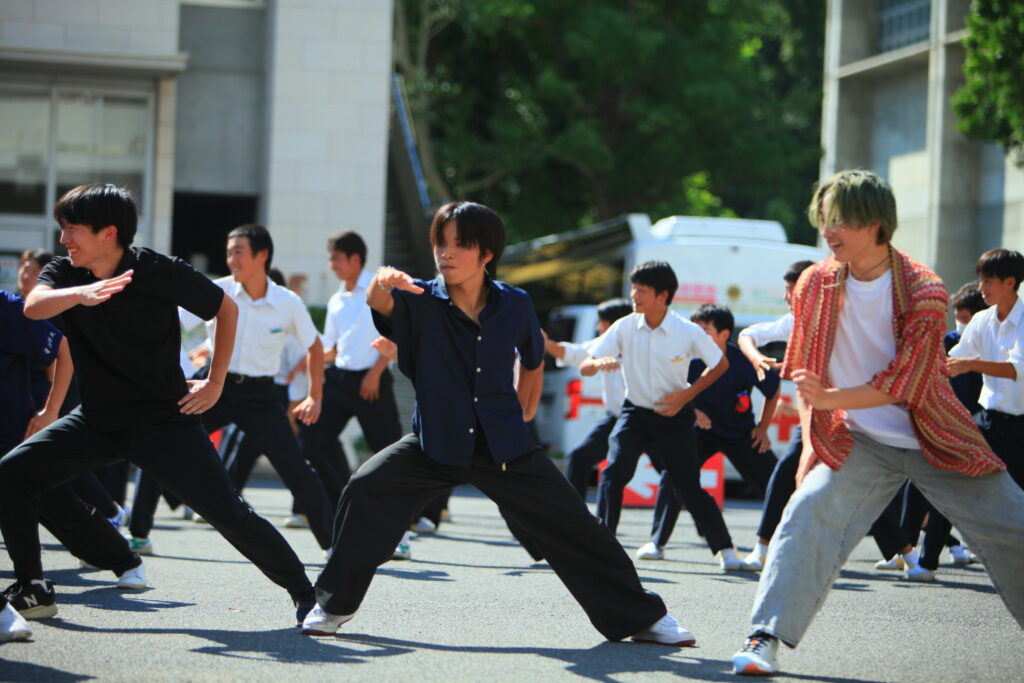
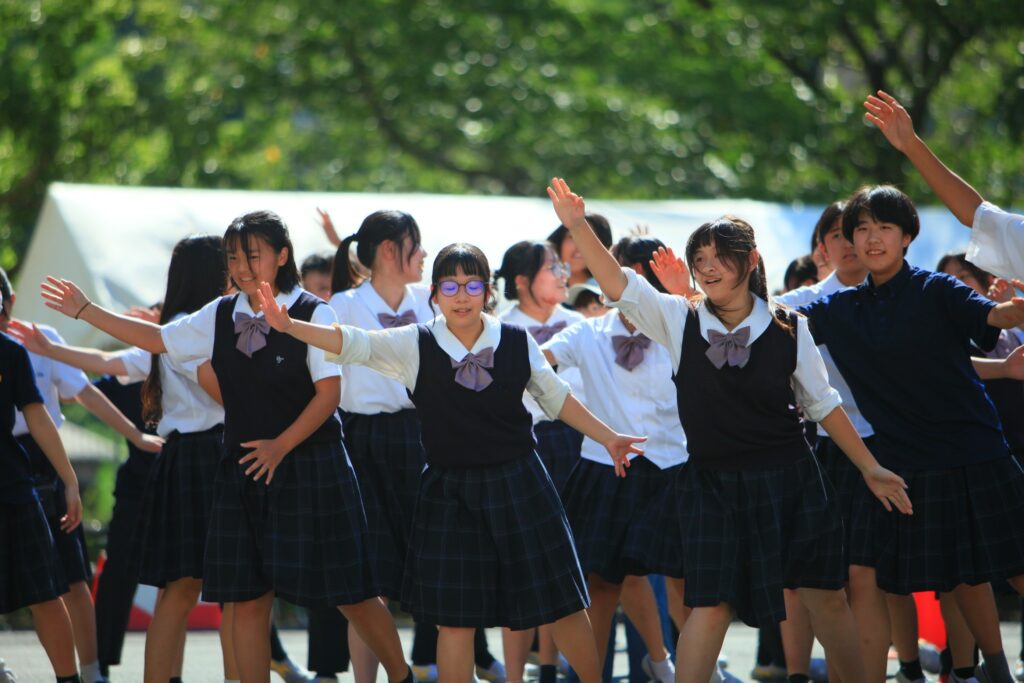
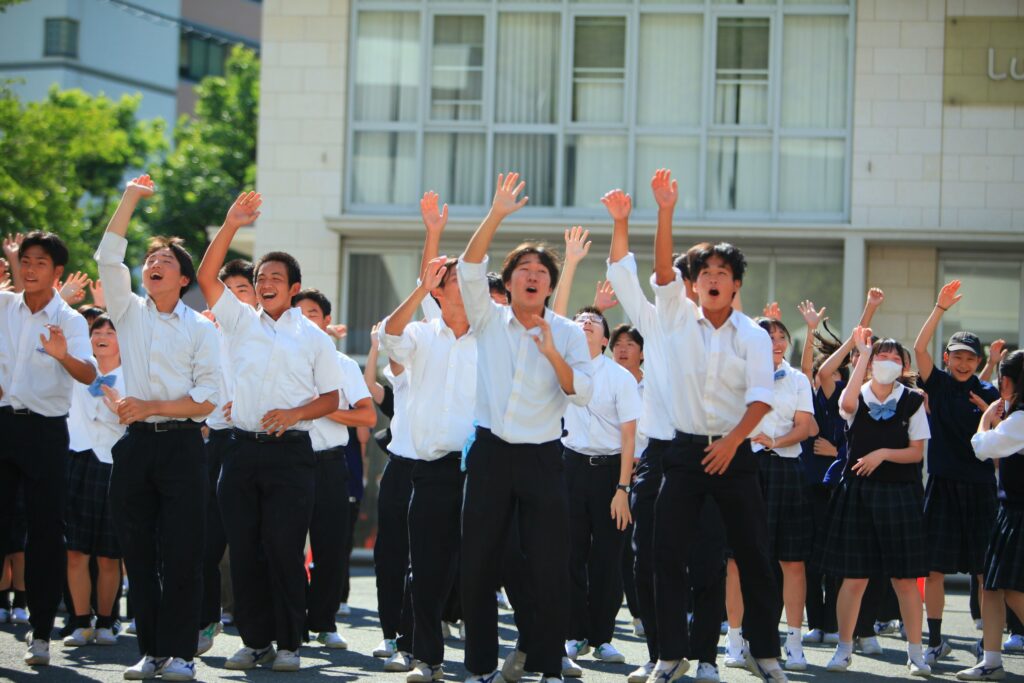
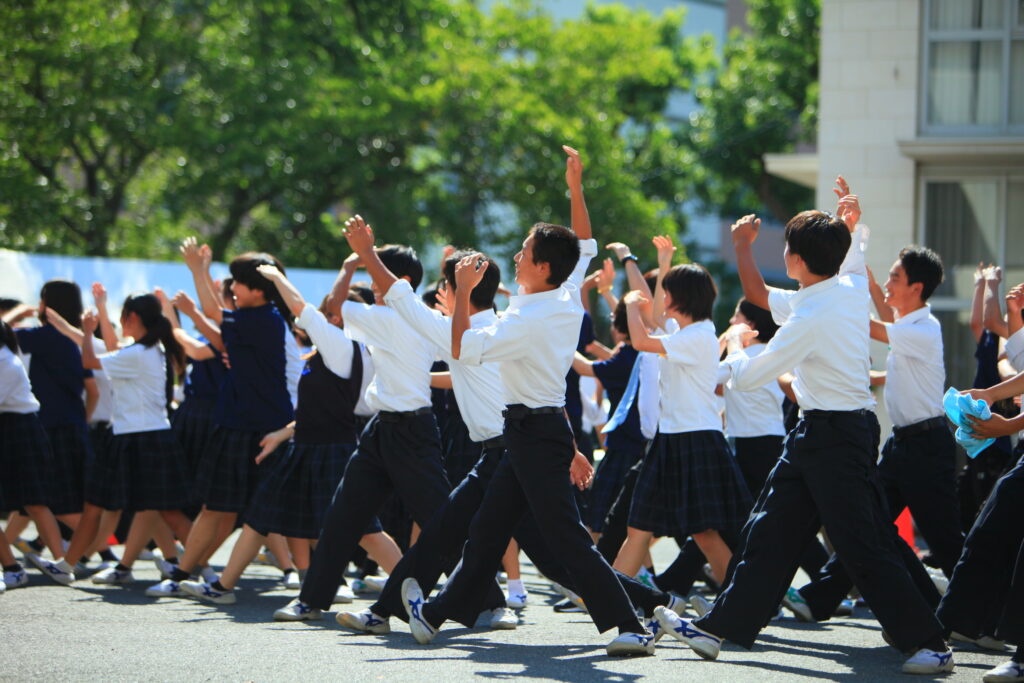
KEY SENTENCE: Expo is now here in Japan and is a symbol of humans around the world and how we are connected to each other.
The History of Expo
Expo, also called the World’s Fair, is a big international event where many countries come
together. At Expo, nations show their culture, new ideas, science, art, and technology. The
first Expo started more than 170 years ago, and since then, it has become one of the most
famous world events. The history of Expo shows how people share knowledge and build peace
through learning.
The very first Expo was held in London, in 1851. It was called The Great Exhibition. It took
place in a huge building made of glas s and iron called the Crystal Palace. Many people came
to see inventions like machines, trains, and even the world’s biggest diamond. The goal was
to show how the Industrial Revolution was changing the world. It was a success, and it gave
people the idea t o hold more World’s Fairs.
After London, other countries wanted to host. In Paris, 1889, the Expo became very famous
because the Eiffel Tower was built for it. At first, many Parisians did not like the tower, but today it is one of the most famous landmar ks in the world. Another Paris Expo, in 1900,
showed electric lights, new engines, and moving sidewalks. These inventions amazed visitors.
In the United States, the Expo also became popular. In Chicago, 1893, the fair celebrated the
400 years since Columb us came to America. The Ferris Wheel was introduced there for the
first time, and it became a symbol of fun and engineering. In New York in 1965, people saw
computers, space rockets, and even a model of the future home. It showed hope for technology
and sp ace travel.
Over time, Expos became places not only for inventions but also for culture. Countries built
pavilions to show their art, music, food, and traditions. People could travel the world in one place by walking through these pavilions. For example, at Expo Osaka , Japan in 1970, the
theme was “Progress and Harmony for Mankind.” It was the first Expo in Asia and was visited by more than 60 million people. At Expo Shanghai 2010, the theme was “Better City,Better Life.” It became the largest Expo in history, with ov er 70 million visitors.
The Expo also talks about world problems. Themes often include peace, environment, energy,
and the future of cities. For example, Expo 1992 in Seville, Spain focused on the Age of
Discovery and global cooperation. Expo 2000 in Hann over, Germany looked at sustainable
development and protecting nature. These themes help people think about the future of the
planet.
Today, Expo is still very important. It happens every five years and lasts for six months.
Countries use Expo to share th eir culture, make friends, and show new ideas. At the last
Expo of 2020 in Dubai the theme was “Connecting Minds, Creating the Future.” Visitors saw
robots, flying taxis, and amazing art. The Expo now is in Osaka, Japan today, with the theme
“Designing Fut ure Society for Our Lives.”
The history of Expo is a story of human progress. From the Crystal Palace in London to the
high tech pavilions of today, Expo brings nations together. It is more than just a fair; it is a meeting of cultures, dreams, and ideas for a better world.